Artist Biography
Shimazaki Pottery 嶋崎陶器
江户时代,加贺藩是由前田家统治的百万石大藩。精通文化艺术的历代藩主们,推行文治政策,缔造了以“九谷瓷”为首的工艺王国。这片土壤孕育出的是由灵峰白山,加贺平原,日本海所交织而成的美丽壮观和五谷丰登。恒古不变的日本独特之美,在传统工艺之乡石川县,散发着浓郁的艺术气息。
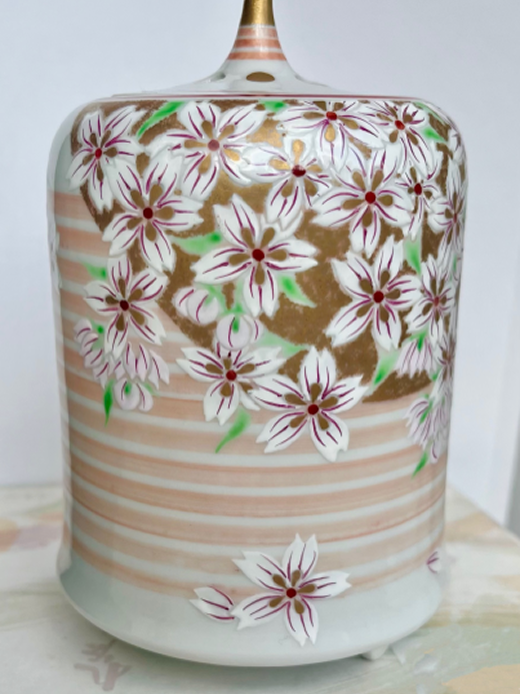
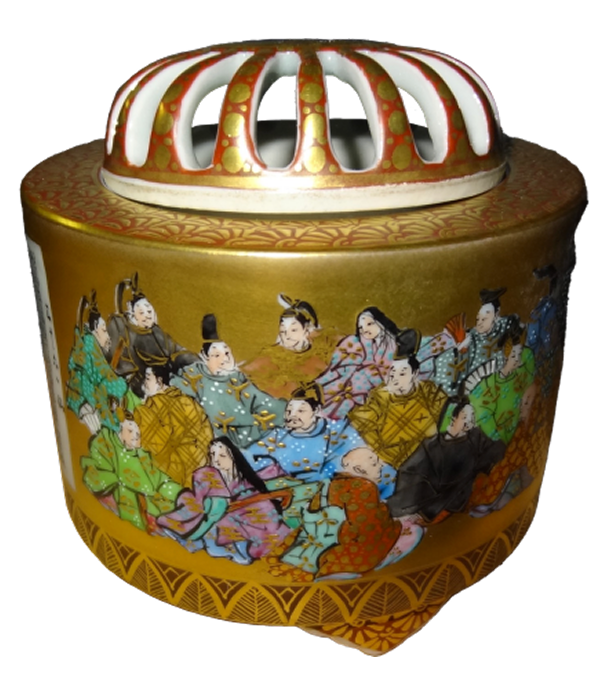
1655年,在大圣寺川上流深山之中的就古村,当时的加贺藩使用当地的特产“陶石”在此开窑烧瓷。从此“九谷烧”诞生。九谷烧以色彩浓郁、挥洒自如为特点,奠定了日本彩绘陶瓷的基石。近代,随着春日山窑,若山窑,吉田窑等近代窑口的开设,穿成了几百年的彩绘陶瓷技术赢来了再次复兴。
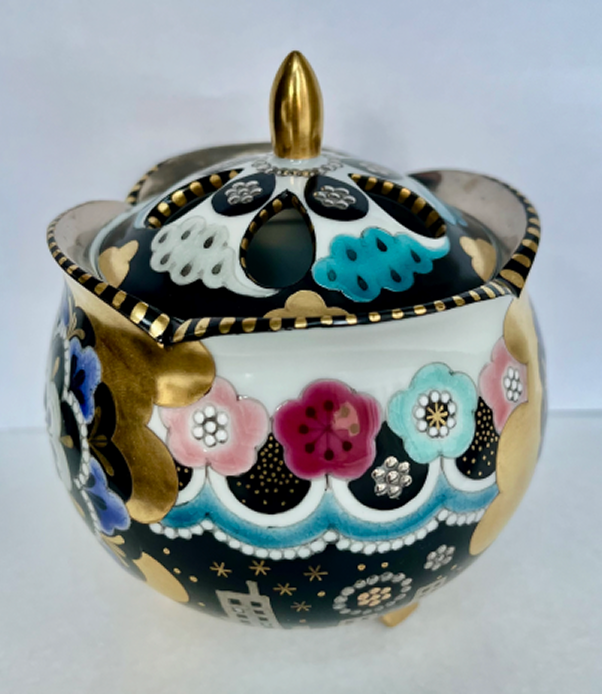
到了现代,“日本九谷”以色彩华丽的手工制作风格闻名于全世界。
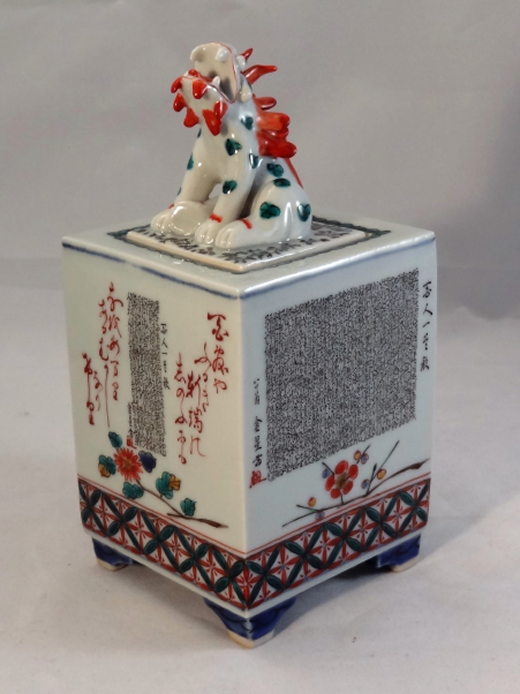
到了明治时期以后,创作欲望旺盛的能工巧匠们,着眼更高的目标,摸索独特的画法,以生动逼真的描写力,以及被称为秘诀的上釉技术和立体表现手法的现代画法,开创了现代九谷瓷的先河。
岛崎陶器创立于 1972 年,旗下多位知名九谷烧作家。
During the Edo period, the Kaga Domain was a major domain of one million koku ruled by the Maeda clan. The successive lords, well-versed in culture and arts, promoted civilian governance policies, creating a kingdom of crafts led by "Kutani ware." This land nurtured the beautiful scenery and abundant harvests woven by the sacred Mount Haku, the Kaga Plain, and the Sea of Japan. In Ishikawa Prefecture, the home of traditional crafts, the unchanging unique beauty of Japan exudes a rich artistic atmosphere.
In 1655, in the village of Shūko deep in the mountains upstream of the Daishōji River, the Kaga Domain used the local specialty "porcelain stone" to open a kiln and begin firing porcelain. Thus, "Kutani ware" was born. Characterized by rich colors and bold, free-spirited painting, Kutani ware laid the foundation for Japanese painted ceramics. In modern times, with the opening of modern kilns such as Kasugayama Kiln, Wakayama Kiln, and Yoshida Kiln, the painted ceramic techniques passed down for centuries experienced a revival.
In the present day, "Japanese Kutani" is known worldwide for its gorgeously colored, handmade style.
From the Meiji period onward, highly creative skilled artisans aimed for higher goals, exploring unique painting methods. With vivid, realistic descriptive power, glaze techniques considered secrets, and modern methods incorporating three-dimensional expression, they pioneered the way for modern Kutani ware.
Shimazaki Pottery was established in 1972 and is home to several renowned Kutani ware artists.
江戸時代、加賀藩は前田家が統治する百万石の大藩であった。文化芸術に精通した歴代藩主たちは文治政策を推進し、「九谷焼」をはじめとする工芸王国を築き上げた。この地は、霊峰白山、加賀平野、日本海が織りなす美しい景観と五穀豊穣を育んできた。古来より変わらぬ日本の独特の美は、伝統工芸の里·石川県において、濃厚な芸術的香りを放っている。
1655年、大聖寺川上流の山中にある就古村において、当時の加賀藩は地場の特産品である「陶石」を用いて窯を開き、焼き物を始めた。これにより「九谷焼」が誕生した。九谷焼は、色彩が濃厚で、のびやかで自由闊達な描き味を特徴とし、日本の色絵陶磁器の礎を築いた。近代に入り、春日山窯、若山窯、吉田窯などの近代的な窯の開設に伴い、数百年受け継がれてきた色絵陶磁器の技術は再び復興を遂げた。
現代においては、「日本九谷」は色彩華やかな手作りのスタイルで世界中に知られている。
明治時代以降、創作意欲旺盛な優れた職人たちは、より高い目標に目を向け、独自の画法を模索した。生き生きとした写実的な描写力、秘法とされる釉薬技術、そして立体表現を取り入れた現代的な画法により、現代九谷の先駆けを築いた。
嶋崎陶器は1972年に創業され、多くの知名な九谷焼作家が所属している。