Tour Guide

Tableau of the Sutra on the Profundity of Parental Love
1174–1252 CE
This tableau integrates traditional Chinese concepts of filial piety, depicting the hardships parents endure in raising their children through ten scenes—including "Protecting the Fetus with Gratitude." It forms a visual narrative of family life.
造像融合中国传统孝道观念,以“怀胎守护恩”等十种场景,表现父母含辛茹苦养育子女成人的过程,是一幅家庭生活的连环画。
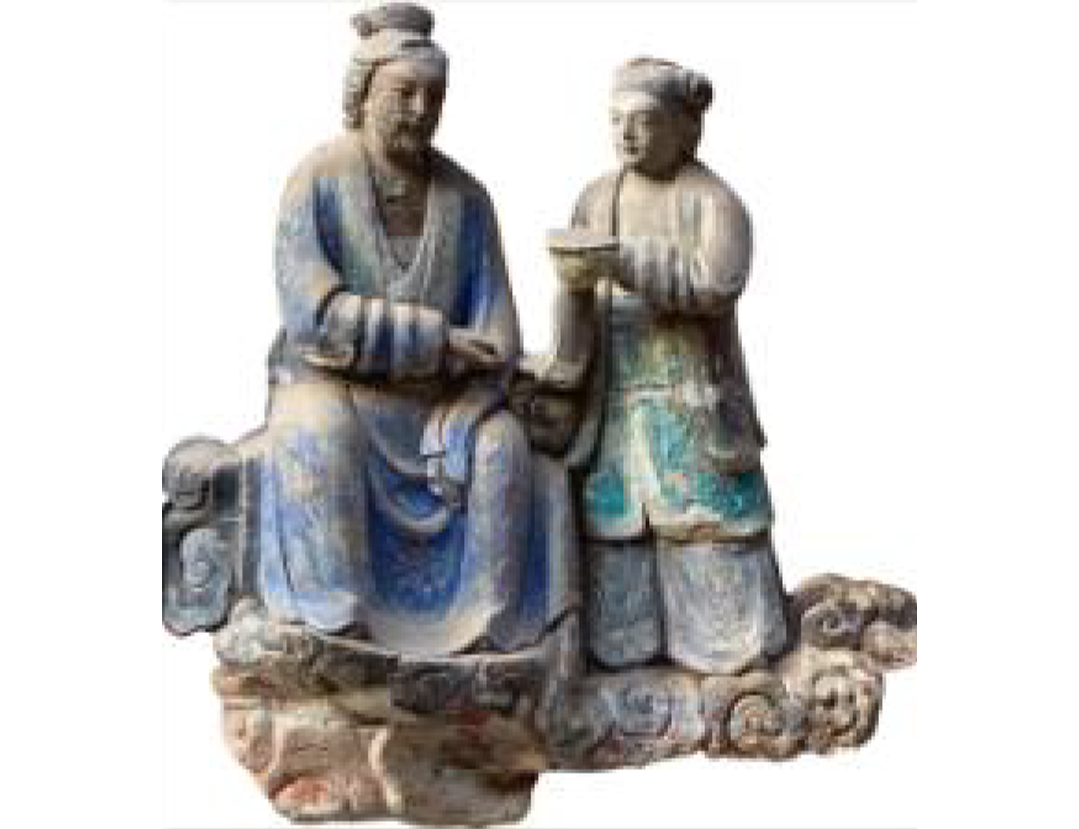
Gratitude for the Protection During Pregnancy
Section 1
A pregnant woman, finding it “difficult even to turn her body,” sits quietly as she nurtures her baby. Beside her, a maid tenderly holds a bowl of herbal tonic. This scene captures the mother’s devotion throughout pregnancy and her careful protection of the unborn child.
第一组
怀胎守护恩。一位“转动亦难”的孕妇正坐着保胎,旁边有一侍女端着一碗保胎药在侍候她。表现了母亲怀胎、护胎的精心。

Gratitude for the Suffering of Childbirth
Section 2
Gratitude for the Suffering of Childbirth. After ten months in the womb, the moment of delivery brings its own pain. Leaning on a maid, the pregnant mother clasps her belly, her face twisted in agony as she clenches her teeth. Half-squatting beside her, a midwife rolls up her sleeves, preparing to receive the newborn. Meanwhile, a ritual master holds a charm and chants incantations to dispel evil spirits. The ancients often called one’s birthday a “period of maternal suffering,” a poignant reminder of how arduous childbirth truly is.
第二组
临产受苦恩。怀胎十月,一朝分娩苦。孕妇被侍女掺扶着,以手抚肚,咬牙裂嘴作痛苦状,她身下半蹲着一位接生妇,正扎衣卷袖准备接生。旁边有一端公手执令牌,口中念念有词,为产妇驱邪。古人常把生日称“母难之期”,可见母亲生孩子之不易。

Gratitude for Forgetting Pain in the Joy of Birth
Section 3
Gratitude for Forgetting Pain in the Joy of Birth. “The moment they behold their baby’s face, both parents nod and smile.” This sculptural group vividly portrays a husband and wife, intimately linked, joyfully playing with their child. In this moment, all troubles are forgotten. The baby’s arrival fills the small family with boundless warmth and happiness.
第三组
生子忘忧恩。“初见婴儿面,双亲点头笑”。这组造像生动地刻出一对夫妇亲密相攀,正喜气洋洋地逗孩子玩耍。此时此刻,一切不如意之事皆抛于脑后,孩子的到来使小家庭充满了无限的温馨乐趣。

Gratitude for Swallowing Bitterness and Nourishing with Sweetness
Section 4
Gratitude for Swallowing Bitterness and Nourishing with Sweetness. The mother eats plain, humble fare, yet nourishes her child with sweet, rich milk. She tastes each morsel first, giving the delicious food to her baby and keeping the unpleasant for herself. This is selfless love in its purest form.
第四组
咽苦吐苦恩。母亲吃粗茶淡饭,哺育孩子的却是甘甜的乳汁。吃东西先尝味,好吃的给孩子,难吃的留给自己,表现出母爱的无私。

Gratitude for Giving the Dry Place to the Child and Taking the Wet
Section 5
Gratitude for Giving the Dry Place to the Child and Taking the Wet. The child has wet the bed at night. The mother props herself up, carefully holding the baby as she changes its position. She then places the child in the dry area and lies down herself where the baby had been wet. This scene demonstrates the mother’s tireless care and meticulous attention to her child.
第五组
推干就湿恩。孩子晚上尿床了,妈妈正支起身来,小心翼翼地给孩子把尿,然后把孩子放在干处,自己睡在孩子尿湿的地方,表现出母亲对儿女无微不至的关怀和悉心的照料。
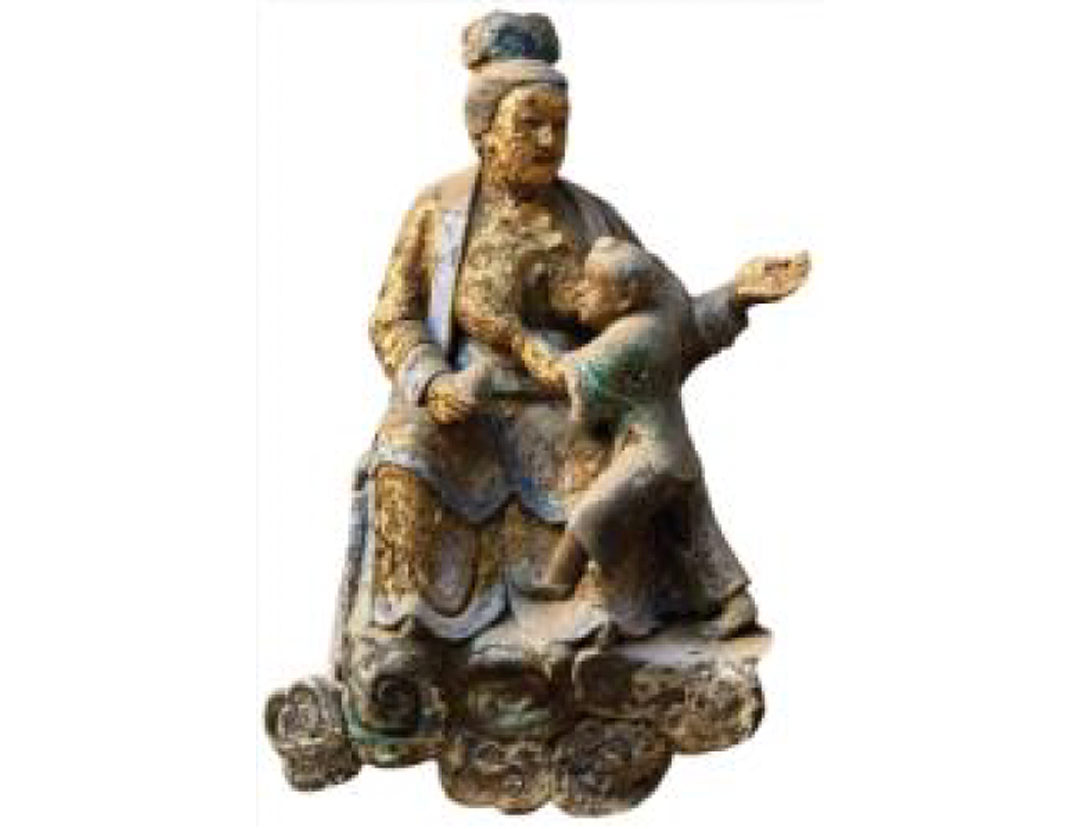
Gratitude for Never-Ending Nurturing
Section 6
Gratitude for Never-Ending Nurturing. A plump, strong mother selflessly bares her breasts to nurse her child. The inscription reads: “She does not begrudge her own flesh and milk, only fears her little one will go hungry.” These words convey a mother’s anxious heart and illuminate the profound depth of maternal love.
第六组
哺育不尽恩。一位丰腴健硕的母亲正无私的袒露着双乳给孩子喂奶。碑文刻有颂词:“不愁脂肉尽,唯恐小儿饥”,把母亲育儿的心情,以及母爱的博大深厚表现得淋漓尽致。
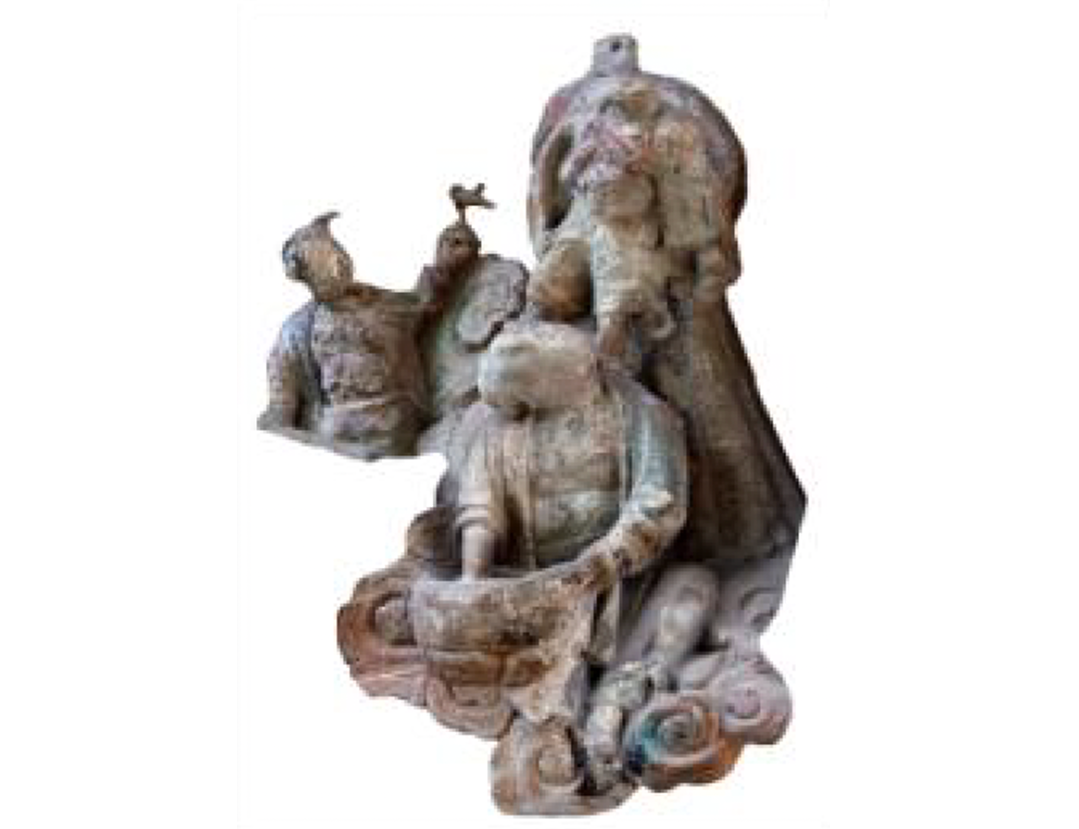
Gratitude for Washing Away Impurities
Section 7
Gratitude for Washing Away Impurities. The task of washing and cleaning mostly falls upon the mother’s shoulders. Even though she labors over the wash daily, the sight of her child and the sound of the child's innocent, lively laughter make her willing to endure any hardship or exhaustion.
第七组
洗濯不尽恩。孩子的洗濯之事大多是落在母亲的肩上,母亲虽每日辛苦搓洗,但只要看看孩子,听听他们稚气活泼的笑声,便觉得再苦再累也心甘情愿了。

Gratitude for Taking on Karmic Burdens for the Child
Section 8
Gratitude for Taking on Karmic Burdens for the Child. A son must marry; a daughter must wed. On the festive occasion, parents slaughter pigs and sheep for a boisterous wedding feast. According to Buddhist teachings, killing living beings creates bad karma. Yet the parents willingly risk suffering in hell rather than allow their child to bear the sin of taking life.
第八组
伪造恶业恩。男大当婚女大当嫁,父母为儿女杀猪宰羊热闹地办婚事。按佛教教义所说,杀生是造恶业。父母宁愿自己入地狱受苦,也不愿让儿女沾杀生之罪名。

Gratitude for Remembering and Worrying During Travels
Section 9
Gratitude for Remembering and Worrying During Travels. The son, carrying a shoulder bag and an umbrella, bids farewell to his parents as he prepares for a long journey. The parents, leaning on canes, see him off with endless advice and reluctant hearts. The father tries to be more level-headed: “A thousand miles of parting must end.” He discreetly nudges his wife, as if to say: “Enough, my dear, the day is late. Our son’s future matters most. Shouldn’t we go back now?” The mother turns her head, her expression resolute and unconvinced, and gives her husband a sharp elbow. Her look says: “What do you know? He’s not your son – no wonder you don’t ache for him!” The artisan captured these fleeting expressions and carved them into stone, bringing to life the anxious, longing heart of a loving mother. Even today, viewers cannot hold back their tears. The inscription below reads: “I fear you will linger at the gate waiting – come home, do not be too late.” It is a vivid echo of the Confucian teaching: “While his parents are alive, a son should not travel afar; if he does travel, he must have a fixed destination.”
第九组
远行忆念恩。儿子背着褡袋,扛着伞,告别父母即将远行。父母扶杖送别,千叮咛万嘱咐,依依难舍。老头子显得要稍微理智一点,送儿千里终有一别,他正用手悄悄地去碰老伴,意思是:唉,老伴,差不多了,天色不早了,儿子的前程要紧,咱们是不是该回去了……老伴扭过头来,满脸不服气的样子,捣了老头子一肘子,意思是:你懂什么,儿子不是你生的,你就是不知道心疼!工匠师抓住这一瞬间人物的表情把他们打刻了上去,生动地再现了慈母那种“意恐迟迟归”的情怀,叫人看了禁不住热泪盈眶。下面的碑文写到:恐依门庭望,归来莫太迟。告诫儿女不要久久不回,免得妈妈依门盼望。这正是儒家的“父母在,不远游,游必有方”的翻版。
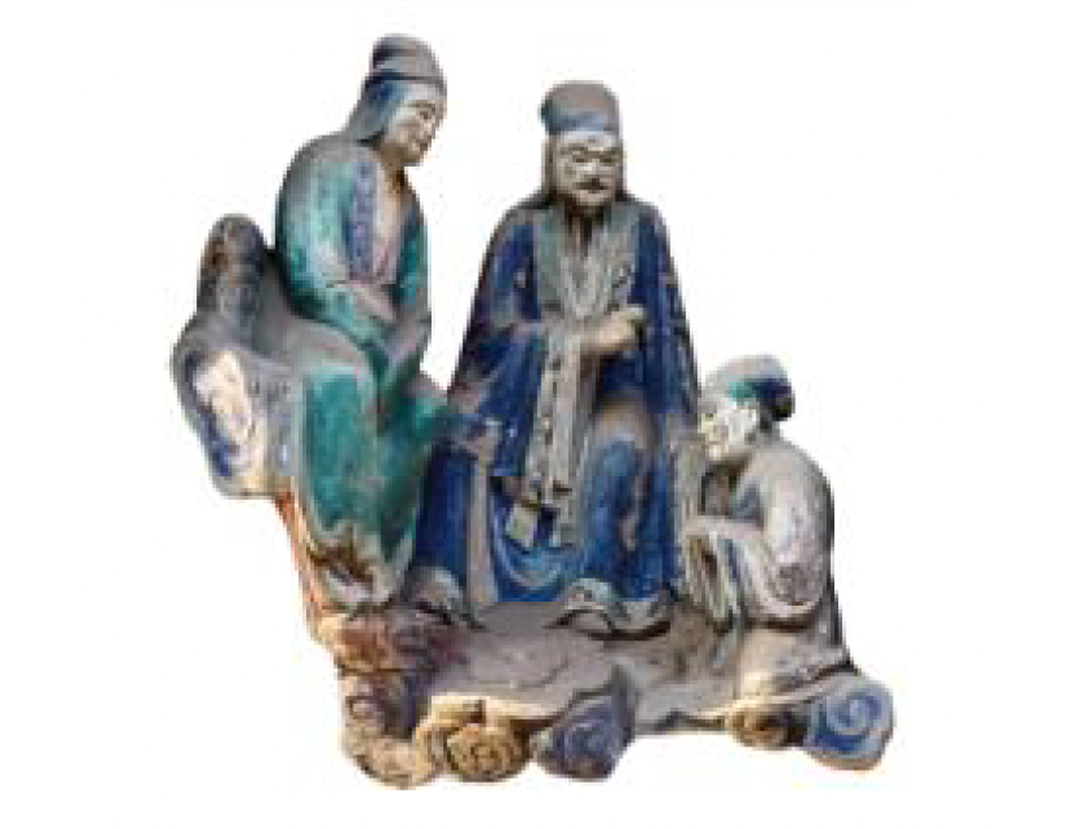
Gratitude for Everlasting Compassion
Section 10
Gratitude for Everlasting Compassion. “Everlasting” means the highest, the ultimate. “Compassion” here means “love.” Buddhism does not promote “attachment,” because attaching to something means wanting to possess it, and Buddhism considers such desire no different from greed. Instead, it advocates sympathy and compassion for all beings. “Everlasting compassion” thus signifies the highest form of love: the love of parents for their children – the most noble and selfless love in the world. “Who dares say a child’s filial heart can ever repay spring’s warming light?” How should children repay their parents? Many think providing good food, fine clothing, and a comfortable life is enough. But Buddhism teaches that this does not constitute true filial piety. Then what does? This sculptural group provides the answer. The elderly parents sit side by side. Their son kneels before them. The father, with a stern yet instructive expression, points at his son. The inscription reads: “At a hundred years, still worrying for an eighty-year-old son; even after death, he worries still. Watch your parents’ moods – do not offend their gentle faces. It is not easy; this is what is called ‘looking to their countenance.’” This is pure Confucian teaching. “Looking to their countenance” (se nan) comes from a passage in the Analects: “Zixia asked about filial piety. The Master said, ‘Looking to their countenance – that is the difficult part.’” It means observing one’s parents’ expressions and following their wishes with a respectful heart. To do this is the highest form of filial devotion.
第十组
究竟怜悯恩。“究竟”为极至、最高之意,“怜悯”就是“爱”的意思。佛教不提倡“爱”,因为爱什么就想得到什么,他们认为爱和贪没有区别。他们提倡对世间万物要同情和怜悯。“究竟怜悯”的意思就是最高的爱。父母对儿女的爱是人世间最崇高,最无私的爱。“谁言寸草心,报得三春晖”,儿女又应该用怎样的孝道来回报自己的父母呢?很多人都认为让父母吃好穿好,享受一下就行了,但佛家认为这并不算尽孝。那么如何才算尽孝呢?这组造像给了我们答案:画面上,老父母横排并坐,儿子跪在他们面前,父亲正指着儿子,神情严肃地进行教育。上有碑文写:百岁惟忧八十儿,不舍作鬼也忧之,观喜怒常不犯慈颜,非容易从来谓色难。这是原原本本的儒家说教,“色难”出自《论语·为政》中的“子夏问孝”,子曰“色难”,即“承顺父母颜色,此事为难,故曰色难”。可见,能做到时刻观察父母的脸色,顺承父母的心意来行事,才是对父母最高的“孝”。